Enhance Your Residence Appeal Using Expert Advice for Bathroom Remodeling
Bathroom remodeling can substantially improve a property's overall visual appeal. By focusing on layout optimization, material quality, and color cohesion, homeowners can build a space that is both functional and visually appealing. Nevertheless, accomplishing this transformation calls for careful planning and consideration of numerous elements. As one begins to explore these possibilities, understanding the crucial steps involved will be vital for success. What methods will truly enhance your bathroom experience?
Analyzing Your Bathroom Current Layout
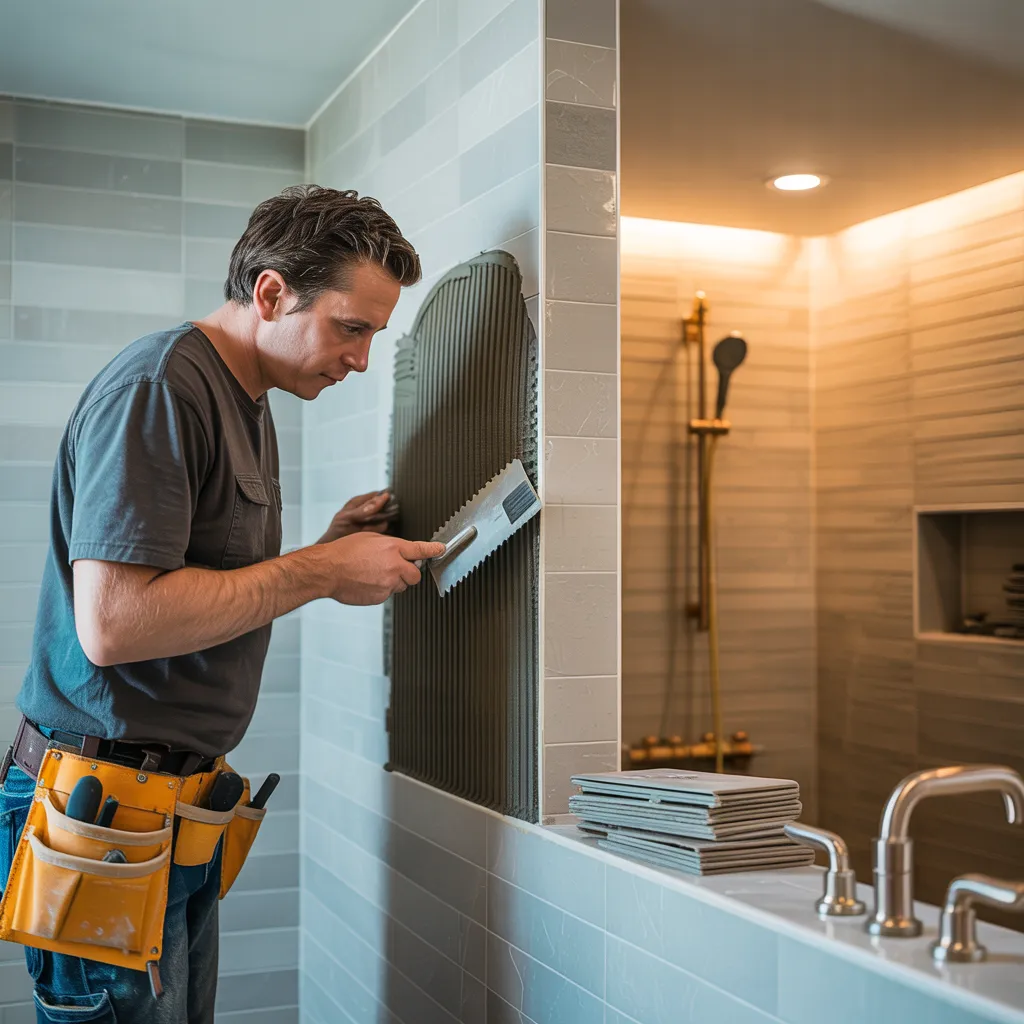
How can you begin the process of assessing a bathroom's current arrangement? The approach commences with a detailed review of the space as it stands. Take note of where primary fixtures are located, including the sink, toilet, and shower or bathtub. Analyzing the flow and functionality is essential; one must determine if the layout allows for easy movement and access. Then, evaluate the bathroom's dimensions and configuration, identifying any constraints or possibilities for enhancement. Additionally, lighting and ventilation play significant roles in the overall atmosphere. Recording observations and drawing the floor plan can assist in envisioning possible modifications. Ultimately, this evaluation serves as the foundation for any future design decisions, ensuring that the renovation aligns with both practical needs and aesthetic goals.
Setting a Realistic Budget
Once you've evaluated the bathroom's existing layout, the next step entails setting a realistic budget for the renovation. This process necessitates careful consideration of several factors, including materials, labor costs, and the range of the project. Homeowners should begin by researching common costs for fixtures and finishes they desire, as well as local contractor rates. It is critical to account for unexpected expenses, typically 10-20% of the total budget, to ensure financial flexibility. Additionally, establishing a priority list can help in allocating funds effectively, distinguishing between essential upgrades and aesthetic enhancements. By setting a clear budget, homeowners can make informed decisions that support their renovation goals while avoiding overspending or financial strain.
Choosing the Right Color Scheme
Selecting the right color palette is essential for creating the desired atmosphere in a bathroom. Homeowners should consider the impact of warm versus cool tones, as each can evoke distinct feelings and aesthetics. Additionally, the careful use of accent colors can elevate the overall design and add visual interest.
Warm and Cool Tones
When thinking about a bathroom renovation, the decision between warm and cool tones can significantly impact the overall ambiance of the space. Warm tones, such as soft reds, oranges, and yellows, create an inviting and cozy environment, ideal for those seeking a comforting atmosphere. These hues often evoke feelings of warmth and relaxation, making them appropriate for personal retreats. In contrast, cool tones, including blues, greens, and purples, impart a sense of tranquility and spaciousness. They can make a bathroom feel fresh and modern, increasing the illusion of cleanliness. Ultimately, the selection of tones should align with the homeowner's personal style and the desired mood, ensuring that the bathroom becomes a harmonious and aesthetically pleasing sanctuary.
The Importance of Accent Colors
The selection of accent colors plays a significant role in establishing the overall aesthetic of a bathroom, complementing the primary tones selected for the space. Selecting the right accent colors can enhance visual interest, create contrast, and establish a cohesive design. For instance, pairing soft blues or greens with warm neutrals can evoke a calming atmosphere, while bold shades like deep navy or vibrant coral can infuse energy and personality. It is crucial to factor in the size and lighting of the bathroom, as darker colors may make a small space feel more cramped, while lighter hues can expand the area. Ultimately, a carefully planned color palette, including well-selected accent colors, can transform a bathroom into a stylish retreat.
Choosing Top-Quality Fixtures and Materials
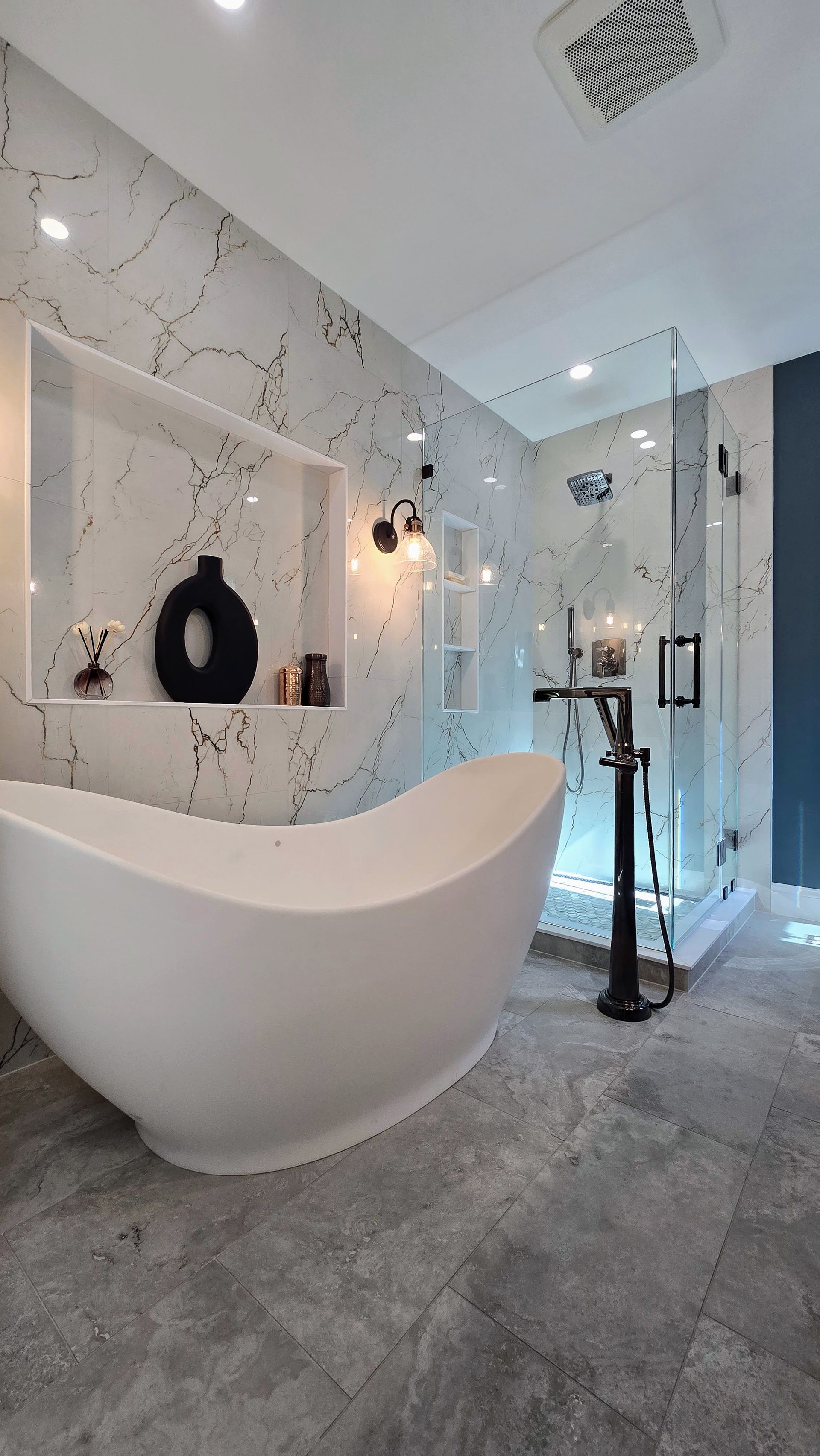
Quality materials and fixtures play an essential role in determining the overall success of a bathroom renovation. Selecting high-quality options guarantees durability and longevity, which is particularly important in a space exposed to moisture. High-end materials, including natural stone or porcelain tiles, can enhance the visual attractiveness while withstanding daily use. Additionally, elements including faucets, showerheads, and vanities ought to be picked for both utility and appearance, as they contribute notably to the bathroom's overall design. Purchasing from established manufacturers typically guarantees superior functionality and guarantees. Additionally, it's wise to evaluate sustainable alternatives that preserve water and energy resources. In the end, the thoughtful choice of materials and fixtures can convert a bathroom into an elegant, practical sanctuary.
Maximizing Space Using Smart Design
Optimizing space in a bathroom requires careful consideration of layout and fixture selection. Smart layout strategies can produce a more open feel, while multi-functional fixtures boost utility without sacrificing style. By focusing on these elements, homeowners can transform even the smallest bathrooms into functional and attractive spaces.
Effective Design Approaches
When considering a bathroom renovation, effective layout strategies are vital to enhancing both functionality and aesthetics. A properly structured layout can make the most of space, making even small bathrooms seem more open and Walk In Shower Installation CT inviting. It is important to focus on the placement of critical fixtures such as sinks, toilets, and showers, ensuring they are conveniently positioned without blocking movement. Incorporating vertical storage solutions can likewise help enhance floor space while sustaining a clean, organized look. Moreover, implementing design elements like floating vanities and glass enclosures can create an illusion of increased space. By thoroughly assessing the flow of the room and considering the user experience, homeowners can achieve a efficient and functional bathroom layout that fulfills their needs.
Versatile Fittings
Though space is often at a premium in bathrooms, adding multi-functional fixtures can greatly elevate both practicality and aesthetics. These innovative designs combine several functionalities into a single unit, effectively maximizing space while supplying essential features. For instance, vanities with integrated sinks and storage compartments eliminate the need for separate cabinets, simplifying the overall look. Additionally, shower-tub combos permit for flexible bathing options without occupying excessive floor space. Collapsible or wall-mounted accessories, such as shelves and mirrors, can be stored when not in use, further optimizing the area. By picking multi-functional fixtures, homeowners can establish a more practical and visually appealing bathroom, finally elevating their overall renovation experience.
Incorporating Advanced Technology
What role does advanced technology play in improving bathroom functionality? Implementing sophisticated features can turn a conventional space into a lavish haven. Digital shower systems with electronic interfaces enable individuals to personalize water heat and flow, while sensor-activated taps boost ease of use and cleanliness. Customizable lighting solutions, featuring color-variable LED fixtures, can produce a tranquil setting aligned with individual desires. Furthermore, warming floor systems and heated towel bars provide luxury throughout winter seasons. High-tech toilets with integrated bidet functions promote cleanliness and sustainability. In addition, speech-recognition systems can operate numerous bathroom elements, deliver music, or schedule reminders. By implementing these progressive innovations, residents can create a more streamlined, comfortable, and attractive bathroom setting, showcasing current living quality.
Adding Custom Touches and Embellishments
Many times, homeowners fail to recognize the value of personal touches and accessories in bathroom design. These elements tremendously boost the overall aesthetic and make the space feel welcoming. Simple additions, such as attractive towels, artwork, or a fashionable shower curtain, can infuse personality into the bathroom. Opting for accessories that reflect unique style—whether through color, texture, or theme—can transform a standard bathroom into a personalized haven.
Plants along with candles function as perfect accents, introducing natural charm and tranquil scents. In addition, distinctive storage solutions for example vintage baskets or stylish shelves can blend function with elegance. By thoughtfully incorporating these individual elements, homeowners can develop a bathroom that both fulfills its function and reflects their unique preferences and daily life.
Common Questions
How Much Time Does an Average Bathroom Remodel Require?
An average bathroom renovation generally takes between three to six weeks, depending on the complexity of the project, the availability of materials, and the effectiveness of the contractors participating in the renovation process.
Is It Possible to Renovate My Bathroom on My Own?
Yes, one can renovate their bathroom themselves; however, it requires careful planning, knowledge of plumbing and electrical systems, and a commitment to detail. DIY renovations can reduce expenses but may also present unexpected challenges.
Which Permits Are Required for a Bathroom Remodel?
Usually, homeowners must obtain building permits, electrical permits, and plumbing permits for a bathroom renovation. Guidelines vary by location, so it's advisable to speak with local authorities to ensure compliance with all necessary codes and requirements.
How Can I Make Certain My Renovation Raises Home Value?
To ensure a renovation enhances home value, it's important to focus on high-quality materials, modern fixtures, and effective layouts. Furthermore, following local design trends and ensuring functionality are vital for appealing to future buyers.
What Are Typical Mistakes to Steer Clear of During Renovations?
Standard missteps during renovations include underestimating costs, forgetting necessary permits, neglecting usability, ignoring timelines, and not engaging experienced contractors. Careful consideration and adequate preparation can prevent budget-draining issues and secure a better-organized renovation process.